

The Secret Sauce: Marinades that Define India’s Best BBQ Dishes
July 24, 2025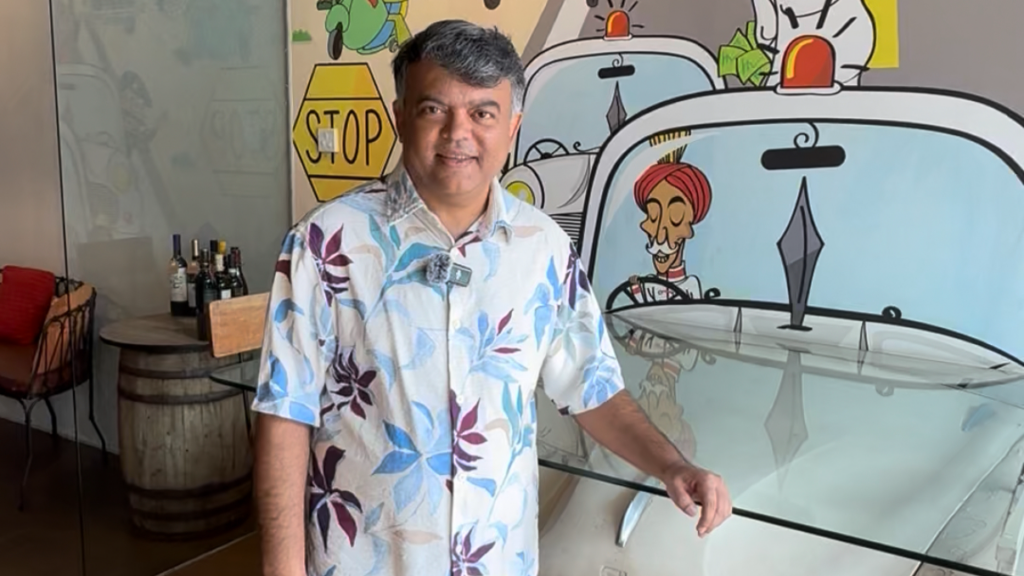
How Vatan Se’s founder turned design into Singapore’s most heartfelt North Indian dining experience
When Amit left a two-decade career in architecture to open Vatan Se in 2012, he was not chasing a trend. He was chasing a feeling. The name Vatan Se means “from my homeland,” and that is the promise he set out to keep: food that is healthy, homely, and honest. Authenticity was not a garnish. It was the brief.
“I wanted the food to taste the way we have it in India, not the way others want it,” Amit says. Indian cuisine is diverse and nuanced. The same spices in two different hands can land miles apart. Vatan Se began as a small, bootstrapped outlet to test the market, anchored by a single conviction that honesty and authenticity go hand in hand.
From blueprints to biryani
Amit did not wander into F&B. He engineered his way in. Before moving to Singapore, he ran a design-and-build practice in India. In Singapore he spent three and a half years in a corporate role, then felt the old entrepreneurial pulse return. “Once an entrepreneur, always an entrepreneur,” he smiles. The career switch came with the usual companions of uncertainty and fear, but he reframed them as fuel. The architect in him contributed three unfair advantages: creative sensibility, project management discipline, and a bias for systems.
Those same muscles shaped the opening months. He approached the first unit the way he would a building: define the brief, map the guest journey, stage the experience, and manage constraints without losing the concept.
A guest journey you remember
Step through Vatan Se’s doors and you meet a piece of cultural theater that sets the tone. A vintage Indian Ambassador car greets guests. At private events the bonnet opens and the car transforms into a bar, a playful nod to India’s “car-o-bar” tradition. It signals that this space serves more than food. It serves memories.
Then comes the reset. “When you enter a temple, you leave your worries behind,” Amit explains. Vatan Se invites guests to symbolically declutter. Every table has a wooden box for phones. Place your devices inside and you are rewarded with a small discount. The message is simple. Disconnect to connect. The architect brain shows up in other details too. Seating density supports comfortable conversation without sacrificing table turns. Acoustic choices dampen din. Lighting is tuned for warm skin tones and food-forward color. The kitchen line, pass, and storage are laid out for speed without compromising consistency.
What is on the plate is only the start
Vatan Se’s culinary identity starts with paneer. In 2016, the team launched a fresh paneer line for retail and trade. What began as a differentiator for the restaurant became a business of its own, supplying hotels and restaurants while serving retail customers with fresh, low fat, flavored, and sliced variants. Freshness and control points are non negotiable.
The pantry grew again. Cold pressed oils were introduced as a healthier default for both the restaurant and customers at home. Spices and blends followed. The principle stays consistent. What you enjoy in your meal are the same ingredients you can take home. The restaurant is the experience. The products are the extension.
Systems meet soul
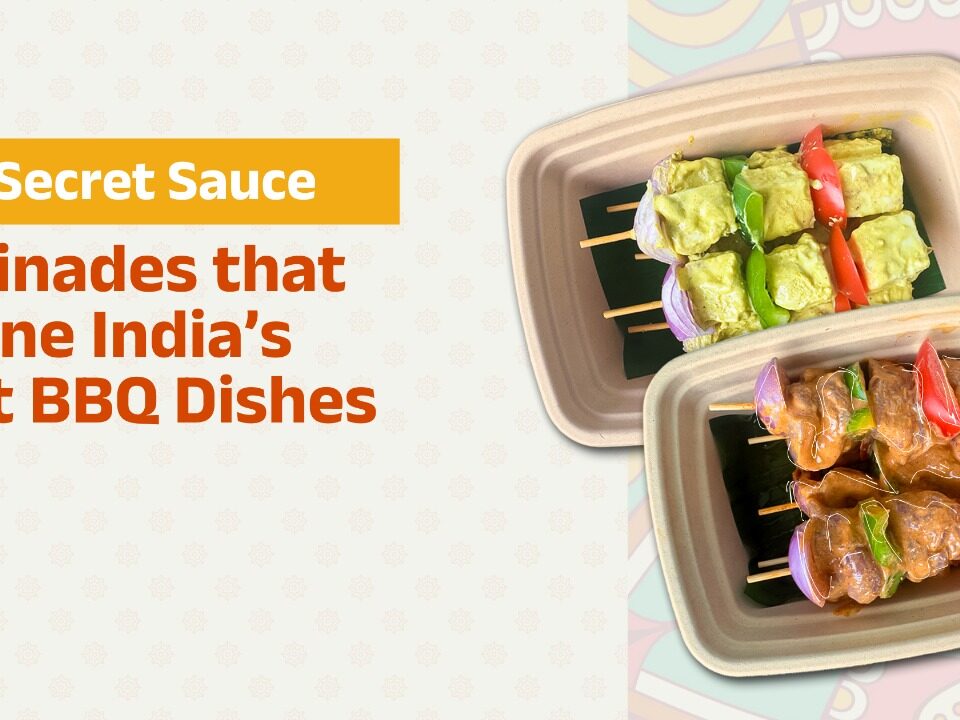
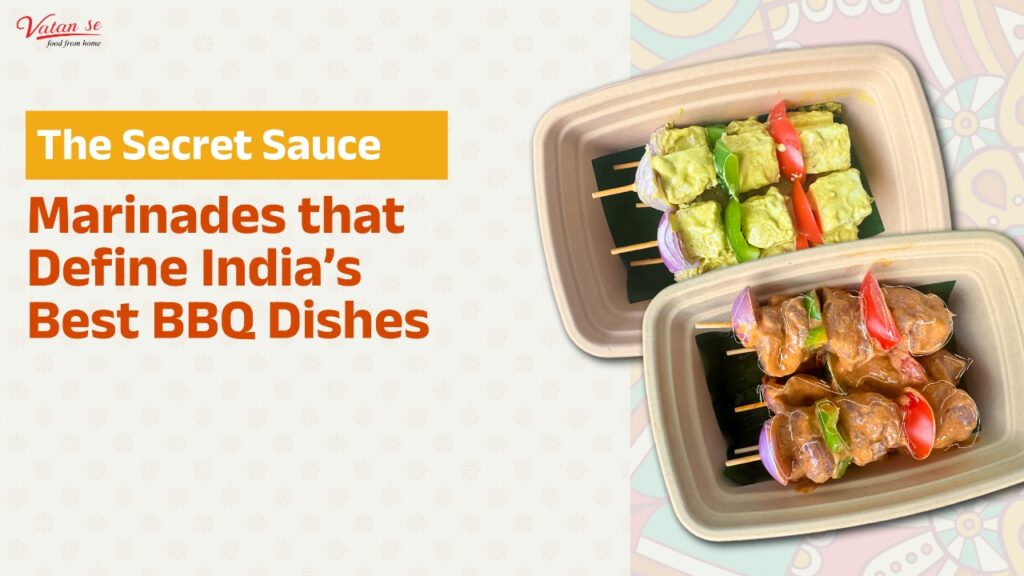
F&B is a tough business in any city, and Singapore adds higher rentals and manpower constraints to the mix. Vatan Se’s answer has been diversification with discipline. The brand today spans dine in, island-wide delivery, private and corporate catering, a marinated BBQ Kebab offering, and more than 30 pantry products sold through major e-commerce and grocery channels, including RedMart (Lazada), Amazon Fresh, Fairprice Online. Technology underpins this stack, but it is not the hero. The guest is.
Community design shows up everywhere. On the walls you will find playful nods to Indian life, inspired by the late Mario Miranda’s caricatures. It is kinetic, social, and warm. The aim is to create touch points that become stories guests share after the meal. Memory is the most powerful marketing.
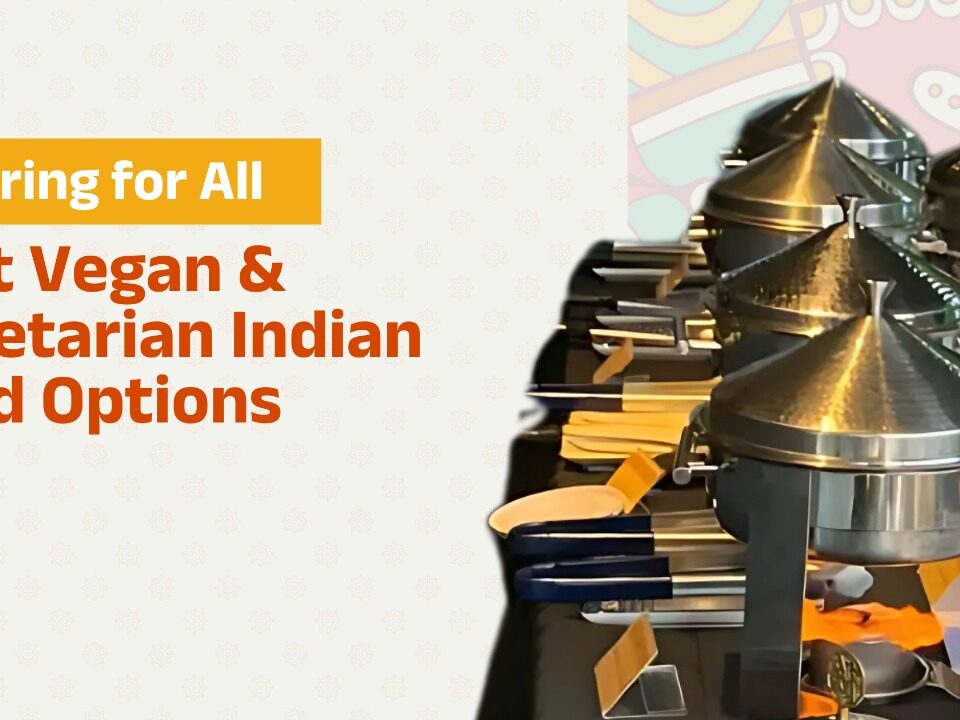
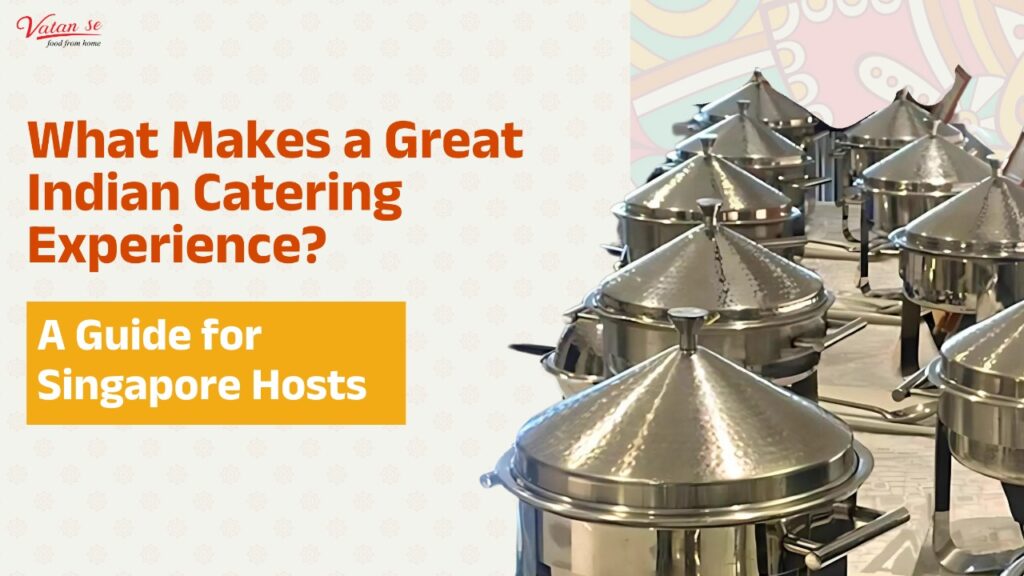
Sustainability is not an afterthought. Meals are served on beautiful leaf crockery made from leaves gathered and stitched by forest dwellers in Telangana, creating livelihoods upstream while replacing disposables downstream. In the kitchen the team cooks with cold pressed oils and Himalayan pink salt, and avoids artificial colors, preservatives and anything processed. For delivery they use containers made from agricultural waste, avoiding common waterproof coatings that can leach into food. Even catering is reimagined. There are no generic “packages.” Menus are customized to the event, plated in traditional chafing ware and leaf bowls for an experience that feels personal, not mass produced.
The next two years
Growth will not be one dimensional. Amit’s plan is to deepen each vertical and, where it makes sense, mature them into stand-alone units that can scale in Singapore and the wider Southeast Asia region. The guardrails are clear. Food must remain honest and authentic. The guest journey must remain thoughtful. The brand must keep creating memories worth sharing.
Founder to founder
If you are a first-time restaurateur, Amit’s advice is disarmingly simple. Entrepreneurship is about creating possibilities, grabbing opportunities, working energetically, and planning mindfully. But there is one ingredient that binds them. “Self-belief,” he says. “It is the most important ingredient in a successful entrepreneurial journey.”